
Phase 2: Working Prototype Development
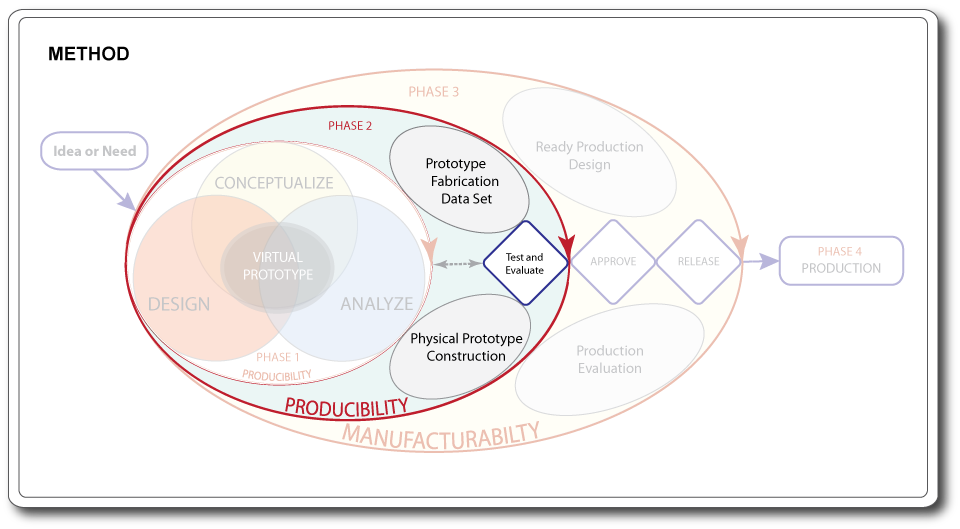
Prototyping has a purpose, which purpose is to reduce risk. It is understood that the later in the design process a change must occur the more costly it will be. Fortunately, today’s computers and software allow Engineers to perform a 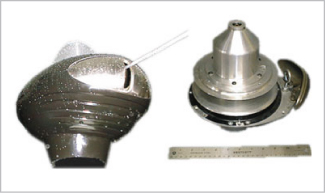 great deal of this risk reduction virtually, where changes are cheap. Although, it is often the case that computer models aren’t enough. A physical representation is required for many reasons, whether it’s; to validate an analysis, qualify a mechanism, and subjectively evaluate a form or merely for communicating ideas.
It’s important to understand that a prototype in of itself can be an objective. Throughout the development process prototypes are used, while during this process we must design for manufacture. Defining when and how to prototype is revealed as the development cycle matures. Why designing for manufacture  or designing for prototype is so important is because it is necessary to always keep focused on the task at hand while not forgetting the overall objective.
As much as computers and software have evolved, so have manufacturing methods. The most relevant is in the rapid prototyping sector. Listing all the possible rapid prototyping methods is extensive. Depending on your overall manufacture objectives, they will always determine the final manufacture processes. However, during the development stages where we are not afforded the economies of scale of mass manufacture 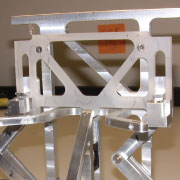 the design must be designed for prototype. There are many methods of prototyping that very closely represent the final manufactured parts, but they all have their own characteristics, cost and performance capabilities. Fortunately our engineers are familiar with them all and have been working closely with prototype manufacturers for decades.